
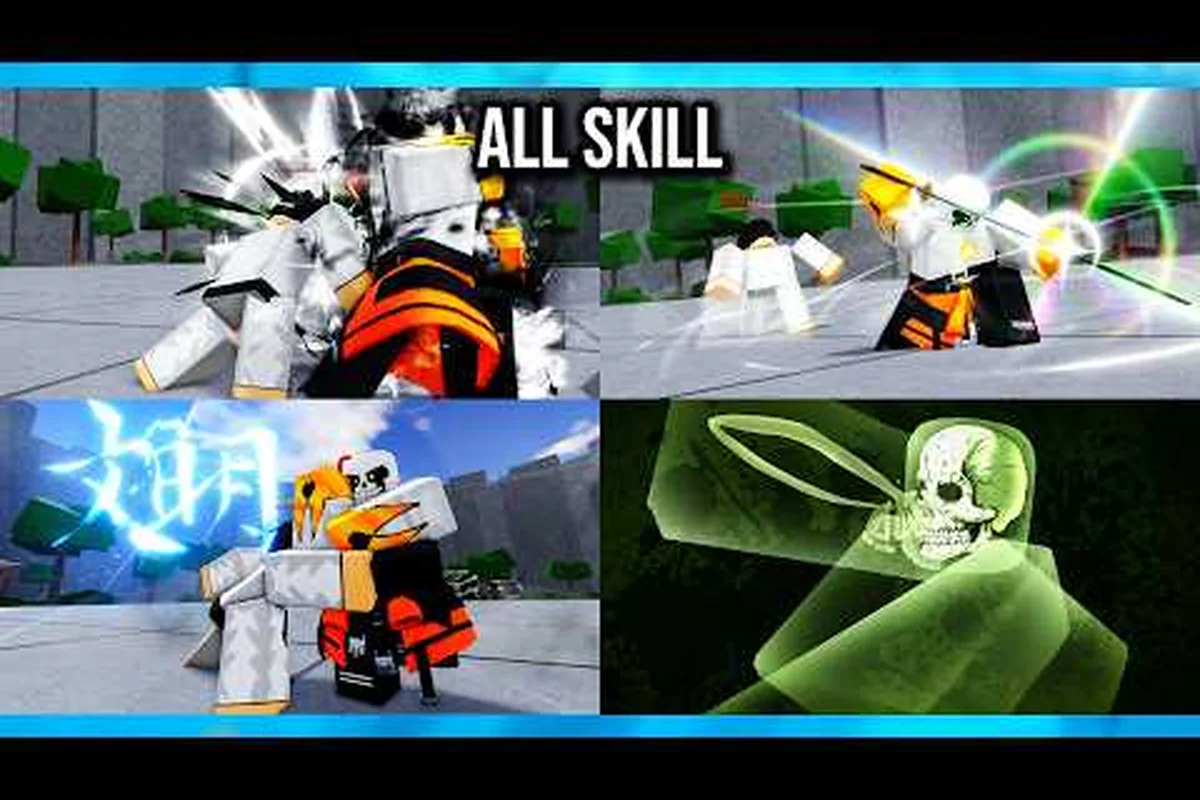
Every stickman in Legends Battlegrounds draws from a shared movelist, and knowing that full catalog is the difference between spamming basic moves and dictating the tempo of every round. The complete Legends Battlegrounds all moves reference below breaks down inputs, the basic moves every fighter shares, every move variants branch, and the frame data that tells you which option beats the other in real neutral. Whether you main Jun, Shinji, or anyone in the expanded roster, this moveset explained guide turns raw inputs into a practical plan from the first jab to the final cinematic finisher.
How the Legends Battlegrounds Moveset System Works
Legends Battlegrounds runs on a universal combat framework: every character shares the same basic moves shell (light, heavy, dash, block, grab), then layers a personal moveset list of signature normals, command normals, and special moves on top. According to community testing on the official test server, this shared skeleton keeps the game readable across the entire roster while the per-character specials carry identity.
The system has four layers a player must internalize:
-
Basic Moves (Shared) — light attack, heavy attack, dash attack, aerial attack, block, parry, throw
-
Command Normals — directional + button inputs (e.g. forward + heavy) that produce unique animations
-
Special Moves — character-specific moves that consume a small amount of Ultimate Gauge or have cooldowns
-
Finishers / Awakening Moves — high-damage cinematic moves that activate when Awakening is triggered (see the Legends Battlegrounds awakening system guide)
Inputs are simplified for controller and keyboard parity. Direction + Attack, double-tap dash, and quarter-circle motions cover roughly 90% of the Legends Battlegrounds move list, while charge motions and half-circle inputs appear only on a handful of advanced specials. This makes the Legends Battlegrounds moveset guide approachable for new players without capping the depth ceiling for veterans.
| Input Type | Notation Example | What It Does |
|---|---|---|
| Directional + Button | 6H (forward + heavy) | Command normal, often an overhead or launcher |
| Quarter-Circle | 236P (dragon punch motion + punch) | Special move, varies per character |
| Charge | [4]6P (back-charge then forward + punch) | High-damage reversal, character-specific |
| Double-Tap Dash | Dash, Dash, Attack | Sprint attack with extended range |
| Air + Direction | 8 (jump) + 2H (down heavy) | Downward aerial that crosses up |
Mastering these layers means reading every fight through the same lens: a Legends Battlegrounds move variants tree that branches off a small number of core inputs. The rest of this guide walks through each layer in order, from the basic moves you use in round one to the frame data that decides who wins the exchange.
Basic Moves Every Fighter Shares
Before any character-specific specials appear on the Legends Battlegrounds moveset list, the six basic moves form the spine of neutral. These are the moves a brand-new player will use in their first ten matches, and they remain relevant at high rank because they reset tempo, control space, and feed into combos.
Light, Heavy, and the Spacing They Create
5L (Standing Light) is your fastest grounded poke at roughly 9 frames startup, with a hitbox that reaches just past the front foot. It combos into itself up to two times and links into 5H (Standing Heavy), a 14-frame mid with longer reach. 2L (Crouching Light) is an 8-frame low that chains into 5H for a basic confirm, which is the bread-and-butter bnub combo every character shares. 2H (Crouching Heavy) is an anti-air uppercut with 6 frames startup, and according to community data it is the single most important button in the game because it punishes jump-ins on reaction.
| Basic Move | Startup (frames) | Active Frames | Recovery | Primary Use |
|---|---|---|---|---|
| 5L (Stand Light) | 9 | 3 | 12 | Fast poke, jab pressure |
| 2L (Crouch Light) | 8 | 3 | 11 | Low chain, confirms |
| 5H (Stand Heavy) | 14 | 4 | 22 | Mid poke, combo starter |
| 2H (Crouch Heavy) | 6 | 5 | 28 | Anti-air, reversal punish |
| j.L (Jumping Light) | 7 | 4 | — | Air-to-air, jump-in starter |
| j.H (Jumping Heavy) | 11 | 4 | — | Cross-up, jump-in ender |
The Legends Battlegrounds basic moves are deliberately tight on frame data. A 2H that hits on frame 6 means the anti-air window is genuinely reactive rather than read-based, which keeps the game accessible to anyone who has spent an hour in Training Mode. These numbers are based on community frame data compiled from the public beta, and they may shift by a frame or two as patches land.
Dash, Block, and the Neutral Game
Dash is a 22-frame burst that crosses roughly one character length, and it is cancelable into normals on hit or block. Block has three heights — standing, crouching, and aerial — and the game reads the Blocking Height at impact, which means an opponent must guess high or low on every string. Parry is a 3-frame window that absorbs a single hit and punishes the attacker with a guaranteed counter-hit confirm, making it the highest-skill defensive option but extremely rewarding when timed correctly.
These three options define the neutral phase of any round, and the spacing between them is the real meta. Standing just outside dash range forces the opponent to commit to a long-range poke; closing the gap with a dash-cancel into 2L gives you frame advantage on hit. Reading the Legends Battlegrounds character list helps because some characters have dash speeds that reach in 18 frames while others sit at 24, which changes how they contest the same neutral.
Special Moves and Signature Normals
The personal layer of every Legends Battlegrounds moveset explained is the special moves list, and this is where characters stop feeling like palette swaps. Each fighter has between 8 and 12 signature specials, plus 2 to 4 command normals, and these moves are what you learn when you decide to main a character past the first few hours.
Universal Special Categories
Despite the per-character variety, special moves in Legends Battlegrounds fall into four universal categories that show up in the Legends Battlegrounds all moves catalog with predictable roles. Projectiles control space and force approaches. Rush specials travel across the screen for a mix-up or punish. Reversals beat pressure and reset the round to neutral. Command grabs beat blocking opponents and reward conditioning. Every character has at least one of each category, which means the game has a built-in answer to every playstyle, and the Legends Battlegrounds move variants tree on each character always has a counter-pick option.
| Special Category | Typical Input | Frame Cost | Role in Neutral |
|---|---|---|---|
| Projectile | 236P / 236K | 12-16 startup | Space control, chip damage |
| Rush Special | 214P | 18-24 startup | Whiff punish, mix-up layer |
| Reversal | 623P (DP motion) | 5-8 startup | Beat pressure, anti-air |
| Command Grab | 360P / 632146P | 25+ startup | Beat blocking opponents |
Character-Signature Examples
Jun, the most popular starter character, has a projectile (236P) that travels full screen and a rush kick (214K) that hits low and launches on counter-hit. Shinji leans on a charge reversal ([4]6P) and a command grab (360K) that deals massive damage but requires a hard read. The full per-character Legends Battlegrounds moveset list for every fighter is too long to capture in one article, but the table below summarizes the signature specials for the six launch-roster characters and shows how each one fits the four universal categories.
| Character | Projectile | Rush Special | Reversal | Command Grab |
|---|---|---|---|---|
| Jun | 236P (Hadoken-style) | 214K (Low kick) | 623P (Uppercut) | 360K (Throw) |
| Shinji | 236K (Wave) | 214P (Dash punch) | [4]6P (Charge) | 360P (Slam) |
| Akuma | 236P (Fireball) | 214K (Hurricane) | 623P (Shoryu) | None (frame 1 grab) |
| Ryu | 236P (Hadouken) | 214K (Tatsumaki) | 623P (Shoryuken) | 632146P (Throw) |
| Ken | 236P (Hadoken) | 214K (Roundhouse) | 623P (Shoryu) | 632146P (Throw) |
| Original Fighter | 236K (Energy wave) | 214P (Dash elbow) | 623K (Rising kick) | 360P (Spinning throw) |
The Legends Battlegrounds moveset guide is incomplete without flagging that every signature special costs a small slice of Ultimate Gauge when used outside of a combo, which adds a resource layer on top of the frame data. According to the official patch notes, a standalone projectile costs roughly 5% gauge, a rush special costs 8%, and a reversal costs 6%, which is why spamming specials in neutral is punished by the gauge economy.
Frame Data, Variants, and Matchup Planning
Frame data is the layer that turns a Legends Battlegrounds move list from a button reference into a competitive tool. Every normal and special has a startup, active, and recovery window, and the difference between two moves that look identical is often three or four frames that decide the exchange.
Reading Frame Data for Real Matches
The most important number on any move is frame advantage on hit and on block. A move that is +3 on hit lets the attacker continue a chain, while a move that is -4 on block gives the defender the turn. Jun's 5H is +2 on hit and -5 on block, which means it confirms into a special on hit but loses to a fast 5L response on block. Shinji's 2H is +1 on hit and -8 on block, which is a bigger risk-reward swing that rewards reading the spacing correctly. The community frame data sheet, maintained on the official Discord by competitive players, tracks every move in the Legends Battlegrounds all moves catalog with these numbers, and it is the single most cited reference in tournament prep.
| Move | Startup | On Hit | On Block | Notes |
|---|---|---|---|---|
| 5L (universal) | 9 | +2 | -3 | Safe jab, chains to itself |
| 2L (universal) | 8 | +1 | -4 | Low chain starter |
| 5H (universal) | 14 | +2 | -5 | Confirm on hit, punishable on block |
| 2H (universal) | 6 | +1 | -8 | Anti-air, hard read on block |
| Jun 236P | 13 | -2 | -6 | Projectile, recovers quickly |
| Shinji [4]6P | 7 | +3 (KD) | -12 | Charge reversal, big punish window |
How Variants Branch the Movelist
Move variants are alternate versions of the same input that branch based on a follow-up button press or a meter state. Jun's 214K (rush kick) has a low-hitting variant on neutral input and an overhead variant on follow-up heavy, which means the same motion becomes a high-low mix-up the moment the opponent starts blocking low. Shinji's 236K (wave) has a fast variant at quarter speed and a slow variant that hits twice for chip damage, which lets him control space differently depending on the matchup.
The variants system rewards players who have internalized the basic moves layer because every variant branches from a universal input the character already knows. The Legends Battlegrounds move finishers catalog covers the variant tree in more depth, especially the cinematic finishers that activate on round-ending hits.
Matchup Planning With the Moveset Catalog
A practical matchup plan starts with three questions: what is my fastest poke, what is my best reversal, and what is my opponent's most-spammed special. The Legends Battlegrounds move variants answer those questions because every character in the roster has a clear answer to those three. Pulling up the moveset list of the opponent's character and reading frame data side by side with your own is the fastest path to a plan, and it is exactly what competitive players do in the first 30 seconds of a tournament set.
| Matchup Question | Where to Find It | Example Answer |
|---|---|---|
| Fastest poke | 5L / 2L frame data | 8-frame 2L is universal |
| Best reversal | 623P / [4]6P data | Jun 623P at 5 frames |
| Opponent projectile | 236P / 236K data | Akuma 236P at 12 frames |
Awakening, Finishers, and the Cinematic Layer
The final layer of the Legends Battlegrounds all moves catalog is the Awakening cinematic moves, which are the highest-damage options in the game and the visual payoff of every round. Awakening is triggered when the Ultimate Gauge fills, and the activation grants access to a one-time cinematic move that deals 30% to 40% of the opponent's health depending on the character and combo extension.
Triggering Awakening and the Gauge Economy
Ultimate Gauge fills through taking damage, dealing damage, and using specials, and it caps at 100%. According to the official system page, an average round produces roughly 40% to 60% gauge from neutral play, which means a clean round-one win without taking damage leaves the player short of Awakening for round two. This gauge economy is the reason the Legends Battlegrounds basic moves matter even at high rank: the safest pokes feed the gauge on hit, while reckless specials burn it on whiff.
| Gauge Source | Approximate Fill | Notes |
|---|---|---|
| Taking damage | 1% per 50 HP | Rewards patient defense |
| Dealing damage | 1% per 80 HP | Rewards consistent offense |
| Successful special | +5% to +8% | Specific to special type |
| Perfect Parry | +15% | Highest single-source fill |
| Round win | +10% | Carry-over between rounds |
Awakening Moves and the Cinetic Roster
The Awakening moves themselves are character-specific but follow a shared visual template: a slow zoom, a one-button prompt, and a high-damage animation that ignores scaling. Jun's Awakening is a multi-hit kick rush that ends in a launcher; Shinji's Awakening is a single devastating palm strike; the original fighter's Awakening is a screen-clearing energy wave. The full cinematic roster is covered in the Legends Battlegrounds all ultimates catalog, which also breaks down the gauge thresholds and the trade-offs of saving Awakening for round three versus burning it in round one.
These moves close the loop on the Legends Battlegrounds moveset explained journey: every fight starts with a basic jab, escalates through specials and variants, and ends with a cinematic Awakening that the gauge system has been building toward the whole match. Reading all four layers together is what separates a new player from a competitive one, and the Legends Battlegrounds emote wheel guide covers the social layer that runs in parallel with the combat system.
Frequently Asked Questions
How many moves does each character have in the Legends Battlegrounds all moves catalog?
Each character has roughly 22 to 28 total moves, counting basic moves (6 shared), command normals (2-4), special moves (8-12), and Awakening/finisher moves (1-3). The exact number depends on the character's variant branches and whether aerial variants are counted separately.
Where can I find the official frame data for the Legends Battlegrounds move list?
The community-maintained frame data sheet on the official Legends Battlegrounds Discord is the most complete source, and it is updated within 48 hours of every patch. The official wiki also publishes a subset of frame data, but the Discord sheet includes every variant and the universal basic moves.
Do all characters share the same basic moves inputs in this moveset guide?
Yes, every character shares the same light, heavy, dash, block, and parry inputs. The differences between characters start at the command normal layer and extend through specials and Awakening moves, which is what gives each fighter a unique identity.
Can I unlock new move variants without spending real money?
Move variants are unlocked through leveling each character and through the free battle pass, with roughly 80% of variants available without spending. The remaining 20% sit behind the paid season pass, and they tend to be cosmetic or alternate finisher animations rather than balance changes.
How does the Awakening system connect to the regular moveset explained in the guide?
Awakening is the final layer of the movelist and is triggered when Ultimate Gauge hits 100%. Once active, the player gains access to one cinematic move that ignores combo scaling and deals massive damage, and the activation also grants a temporary frame-data boost to basic moves.